

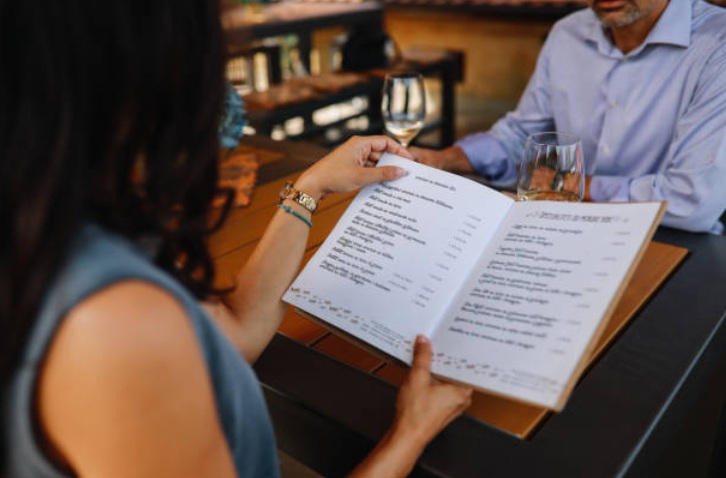
A restaurant rebrand is exciting. New colors, a refreshed logo, updated interiors, and a clearer identity can breathe fresh life into a business. Yet one thing often gets overlooked during the process: the menu. A restaurant menu is one of the most visible expressions of a brand. Customers hold it, read it, and use it to form impressions about quality, pricing, and the overall dining experience.
If your restaurant is updating its brand look, the menu should evolve alongside it. A modern, well-designed menu helps connect your visual identity with the food you serve, creating a more memorable and consistent experience for guests.
Why Your Menu Should Reflect Your New Brand Identity
A rebrand is about more than changing visual elements. It is about telling a clearer story about who you are and what customers can expect when they visit.
Your menu plays a major role in that story. Colors, typography, layout, photography, and even menu descriptions contribute to how guests perceive your restaurant. Research on restaurant menu psychology consistently shows that menu design influences customer decisions, perceptions of value, and overall dining satisfaction.
When customers walk into a newly branded restaurant but receive an outdated menu, the experience feels disconnected. A refreshed menu helps reinforce your new identity and creates a seamless transition between your brand, your food, and your customer experience.
Start With A Flexible Design System
One of the smartest menu ideas for restaurants updating their brand look is to create a design system rather than a single menu layout.
If you are experimenting with concepts, seasonal items, or future promotions, flexibility matters. Many restaurant owners use the menu maker from Adobe Express to test layouts, fonts, colors, and menu structures before committing to large print runs. Adobe Express also provides customizable restaurant menu templates that make it easier to align menu design with updated branding guidelines.
Think of your menu as a living brand asset. A flexible design allows future updates without forcing a complete redesign every few months.
Match Visual Style With Your Restaurant Personality
Before selecting fonts or layouts, define the feeling you want customers to experience when they open the menu.
Choosing Colors And Typography That Fit
A luxury steakhouse, neighborhood café, and trendy fusion restaurant should not have menus that look the same. The visual language needs to support the restaurant’s personality.
Consider how different design elements communicate your brand:
| Brand Style | Menu Design Approach |
| Upscale Dining | Minimalist layouts, elegant typography, subtle color palettes |
| Family Restaurant | Friendly fonts, warm colors, approachable design |
| Modern Casual | Clean spacing, bold headings, contemporary visuals |
| Artisan Café | Handcrafted elements, textured backgrounds, creative typography |
The goal is consistency. Industry menu design experts consistently recommend aligning menu visuals with the overall restaurant atmosphere to strengthen customer perception and brand recognition.
After all, the menu should feel like a natural extension of the restaurant itself.
Simplify The Layout For Better Customer Experience
Many restaurants use a rebrand as an opportunity to clean up years of menu clutter.
A menu overloaded with categories, decorative elements, and lengthy descriptions can make ordering feel difficult. Simpler menus often perform better because they reduce decision fatigue and make navigation easier. Menu design specialists frequently emphasize scannability and organization as key factors in guiding customer choices.
Important: Customers typically spend only a short amount of time scanning a menu before making decisions, making clarity more important than decoration.
Focus on creating clear sections, consistent spacing, and strong visual hierarchy. Customers should instantly understand where to look and how the menu is organized.
A cleaner layout also gives your most important dishes more room to stand out naturally.
Highlight Signature Items Without Overdoing It
Every restaurant has dishes that define the brand. A rebrand is the perfect time to showcase them more effectively.
Rather than filling the menu with icons, boxes, and labels, use selective emphasis. Strategic use of whitespace, subtle borders, and placement can naturally guide attention toward high-value or signature dishes. Menu engineering experts regularly recommend visual cues that attract attention without overwhelming customers.
You might highlight:
- Chef specialties
- Best-selling dishes
- Seasonal favorites
- New menu additions
- Locally sourced items
The key is restraint. When everything is highlighted, nothing stands out.
A thoughtful design directs attention while maintaining an elegant and professional appearance that supports the new brand image.
Refresh Menu Descriptions To Match Your New Voice
Rebranding often involves adjusting how a restaurant communicates with customers. Your menu descriptions should reflect that change.
If your previous menu sounded formal and traditional, but your new brand is modern and approachable, the wording should evolve as well.
Instead of listing ingredients mechanically, focus on creating concise descriptions that communicate flavor, quality, and personality.
For example, a simple burger description can become more engaging by emphasizing preparation methods, sourcing, or signature ingredients. Menu psychology research shows that descriptive language can increase customer interest and perceived value.
The goal is not to write long paragraphs. It is to make each dish sound memorable while staying authentic to your brand voice.
Consider Digital And Print Menus Together
Many modern restaurant rebrands now include both physical and digital customer experiences.
Building A Consistent Cross-Channel Experience
Your website menu, QR menu, social media promotions, and printed menu should all feel connected.
A strong rebrand creates visual consistency across:
- Printed menus
- Digital ordering systems
- QR code menus
- Website food pages
- Social media promotions
Digital menus also offer flexibility for seasonal updates, limited-time offers, and price adjustments without requiring expensive reprints. Industry guidance increasingly highlights digital menus as an important part of modern restaurant branding strategies.
Customers move between online and in-person experiences constantly. Consistency builds familiarity and trust.
Test Before Printing Thousands Of Copies
One of the most overlooked menu ideas for restaurants updating their brand look is simple: test everything first.
Before committing to a large print order, gather feedback from staff, loyal customers, and even a small focus group.
Pay attention to questions such as:
- Are menu sections easy to find?
- Do prices feel clear?
- Are signature dishes noticeable?
- Does the menu match the restaurant atmosphere?
- Is the typography easy to read?
Small adjustments made before printing can save significant money and prevent customer confusion later.
Final Perspective
Updating your restaurant’s brand look is a chance to strengthen every part of the customer experience, and the menu deserves to be at the center of that process. A well-designed menu does more than list food. It communicates your identity, reinforces your new brand, guides customer choices, and creates a stronger connection between guests and your restaurant.
Whether you are introducing a completely new concept or simply modernizing your image, the best menu ideas focus on clarity, consistency, and customer experience. When your branding and menu design work together, customers notice. More importantly, they remember.
Frequently Asked Questions
1. How often should a restaurant redesign its menu?
There is no fixed schedule, but many restaurants review menu design every one to three years. A redesign is especially worthwhile during a rebrand, major renovation, or significant menu update.
2. Should all restaurants use food photography on menus?
Not necessarily. High-end restaurants often avoid food photos, while quick-service and casual dining concepts may benefit from professional images. The decision should align with the overall brand strategy.
3. Is it better to have a one-page or multi-page menu?
That depends on menu size and concept. Smaller, focused menus often work well on a single page, while restaurants with extensive offerings may require multiple pages for organization and readability.